Throwback Thursday: John C Dvorak’s Review of the Cisco ATA 186

Almost a month ago when the news of John C Dvorak who had done dozens of columns in the tech press since the early days of the P.C., part of some people felt it was the end of an era. Dvorak had a lot of  hot takes on lots various elements of technology.

When I was producing a tech news segment, I was tasked by myself acting as an assignment editor, to go find a few samples of some magazines from my own collection. I had many PC Magazine and PC/Computing which was an IT focused mag in the late 1990s. I have an entire collection of Mac User from 1986. I sampled one of three magazines so I could get it out over the air so to speak.
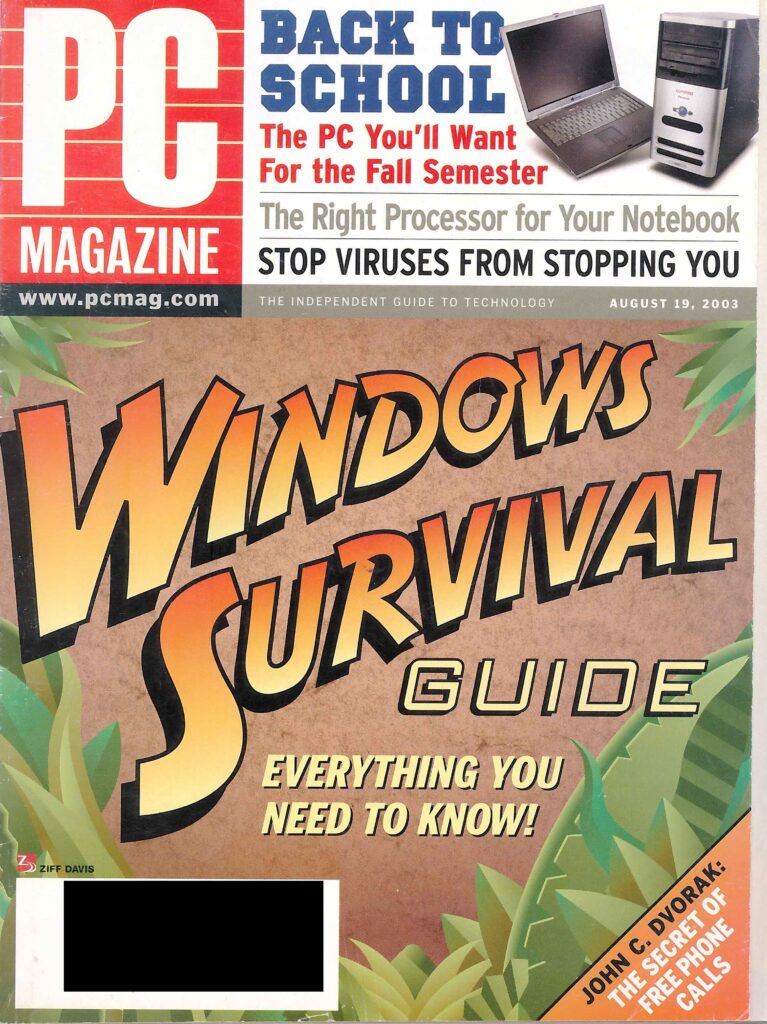
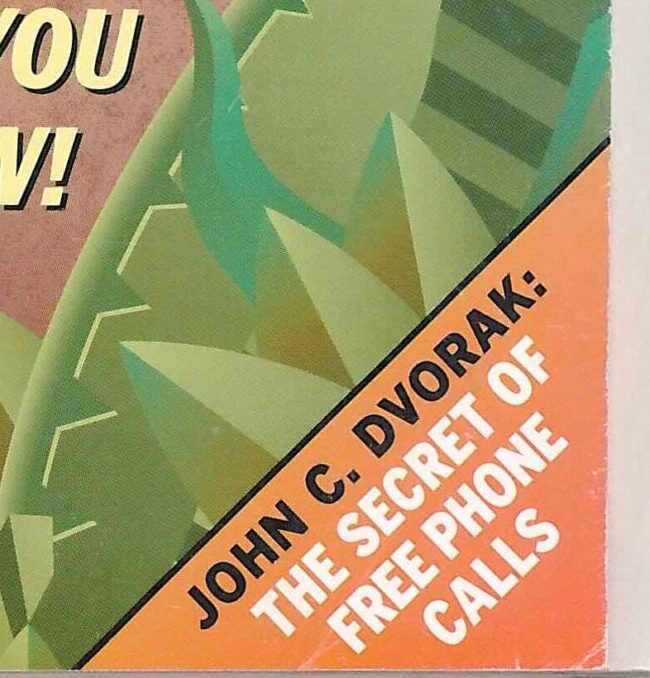
Ironically I thought in August 2003 it would be him whining about Macs. But looking below the front cover..
Here’s the column:
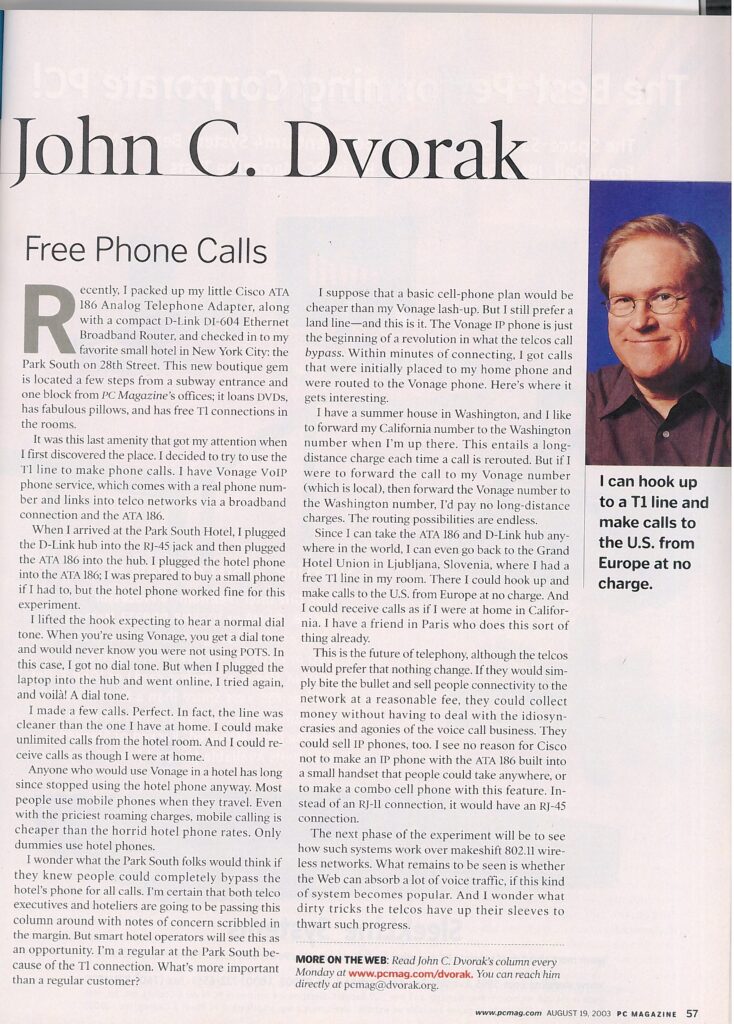
This was an interesting time in 2003, the Blackout of 2003 happened at the time of publication which IIRC the publication date was a week ahead of the actual week, and deadlines I think were two weeks before. Cell networks were still primitive and couldn’t work in subways.

This was also a different time for Vonage because they supported some off the shelf stuff before things got more locked down for obvious cybersecurity reasons. This is also a time where Cisco was open but closed but was not sure where they were going.

The ATA 186 ran on multiple protocols, the proprietary Skinny Call Control Protocol, the obvious Session Initiation Protocol and MGCP which was an open standard to the SCCP than SIP. It used a similar stack to H323, one IP address for files, call control audio streams, the time of day, the MGCP never really took off and too many people wanted SIP.

Since I own an ATA 186 since my early attempts with Cisco, I just recently got it back online. It uses SCCP, and it can be managed on a web browser but it’s more basic than Grandstream’s web interface of a decade later.

I’ve noticed that most VOIP ATA adapters are less than POTS quality, or maybe I am biased because plugging in old rotary dial or loud bells can’t be done on them. Or my wiring is lousy or what.

In the last 23 years, the VOIP world has changed dramatically. While Vonage did continue as a market player, it has gone in different directions, there’s still 8×8, Ring Central, and even Cisco, Avaya and other vendors sell their own systems acting as a carrier themselves with the whole cloud thing.

Not to mention the minimalists as cord-cutters/cord-nevers and don’t feel like being tethered.

I guess while I was trying to direct the mission of TMOT to be more on the analog stuff, I guess things like this are now antiques too lol
 

Happy 150th Anniversary of the First Ever Test Call!

“Mr. Watson, come here – I want to see you”


The test call of the alleged invention of Alexander Graham Bell to his assistant Thomas Watson  from his Boston, Massachusetts office on this day in 1876.

Today marks the centennial and a half of the invention that was originally to help the hard of hearing for everyone. Long before Gary Kildal vs Bill Gates, or Mark Zuckerberg vs the Winklevoss Twins is was Grey vs Bell. As my country is celebrating it’s 250 years (for better or for worse), the telephone is pretty vintage too. Throughout the year, I will be posting on and off small historical notes beyond Western and past Northern, and focus on the little known facts of it.


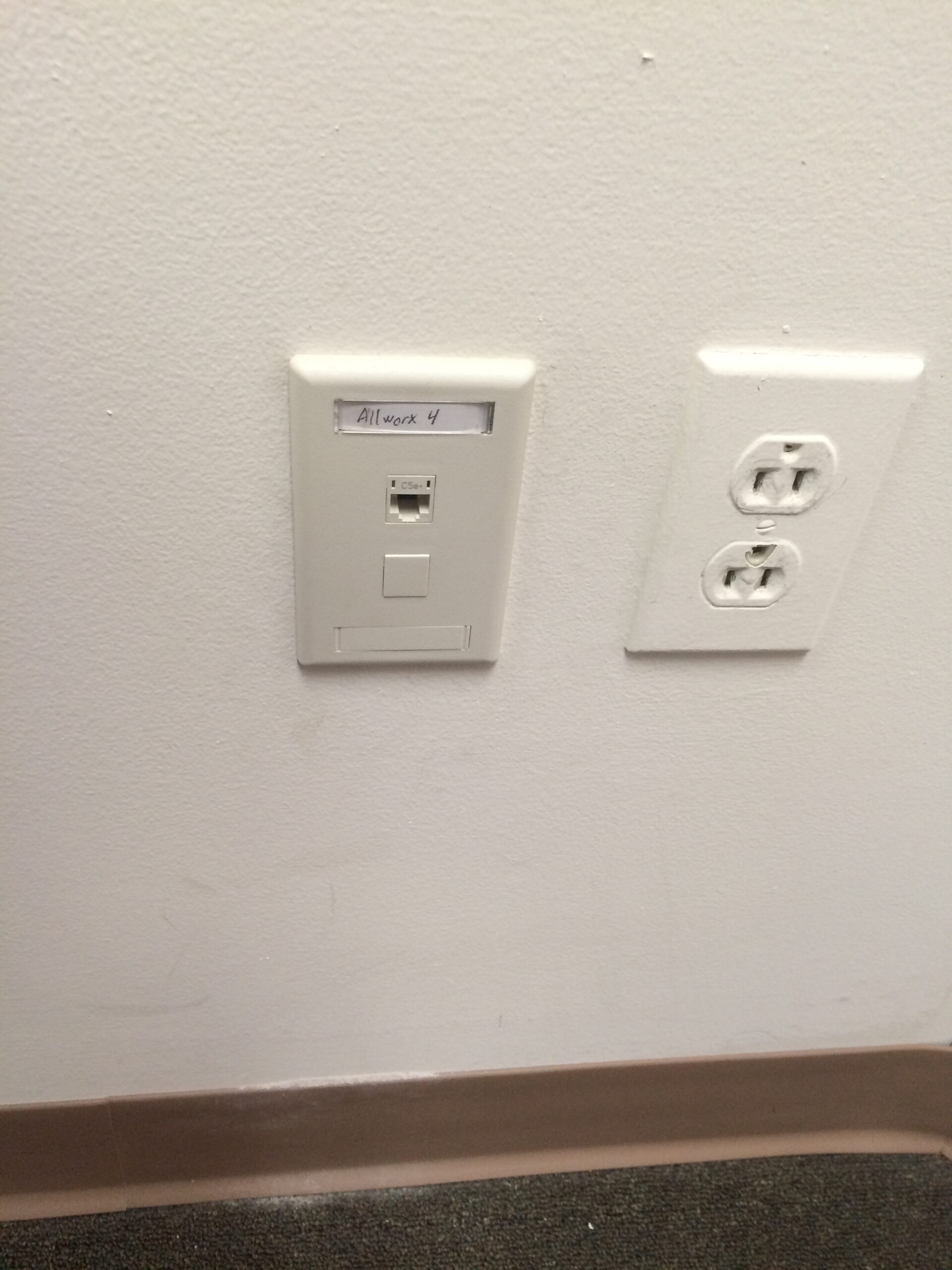
Allworx Jack

IMG_4299

Because you know an Allworks port is no different than any other Cat5e, LAN type of jack. It’s so special it needs it’s own drop despite it being a generic data port. Why? This install at an undisclosed location doesn’t have Layer 3 switching to allow VLANs. They are too smart to support MAC filtering ether. This Allworx install also lacks QOS. One time I called them to get jittery call quality. Don’t get me started with the ring tone that’s the call progress tone. (when you hear ring after you place a call?) Anyways with the drop, I can prolly plug in my MacBook and access the Internet without any difficulty ether!

Video: Nortel Ad – Circa 2000

I was on a walk in my town for the first time in many months (feels like years in this long summer that never ends.) I passed by a biker going against me on the sidewalk who had a T-shirt that said  “What do you want the Internet to be?”

The T-shirt was by Nortel during the late 90s, the turn of year 2000. These ads ran from 1999 to 2000 when Nortel actually made their first major mainstream ad campaign that was outside the traditional trade papers. (I also bet The Beetles made some nice royalties beyond the typical SESAC dues!) This also followed after a major acquisition of Bay Networks, once located at the headquarters where Avaya is today in Santa Clara, California. Bay Networks had a large presence in Massachusetts (where the biker probably worked for or a friend of his or his spouse.) If you go on US Route 3 South before  Interstate 95 Route 128  you’ll see Avaya’s offices there. Prior to the Nortel acquisition Avaya got out of most of their New England offices and or plants.

This campaign didn’t help much because the rise of Cisco (I think in retrospect, the “rise” was inflated, through a lot of backroom deals, long lunch hours with CIOs and other weird things that made Cisco go to the top.)

Sadly, even though I dislike Nortel 9 times out of 10, it was watching a Greek tragedy that destroyed the company; first having a top heavy headcount (always a bad sign), second was a very rough transition from a mainframe type of technology (TDM) to less hardware dependent business (IP.) For whatever reason Cisco was able to sell tons of boxes and make a killing, allegedly in the first decade of the new Millenium. (Cisco’s success outside of IP Telephony is yet to be challenged publicly outside of niche blogs.) Factor in Enron-like accounting scandals and the infamous bankruptcy, Nortel had a lot of issues.

I’m not sympathizing with Nortel, many legacy telecom companies were unable to make the same profits in an IP/Internet based world. Well not until the concept of “cloud” based services where they could get a reoccurring revenue stream. Services were cut among all companies and even in the last 15 years, hardware maintenance was still needed, but good luck if you had a major bug and dealing with the vendor directly.

It was interesting to see still see things, like the biker in the Nortel swag in 2015.