My Collection: The Avaya 8410 Voice Terminal

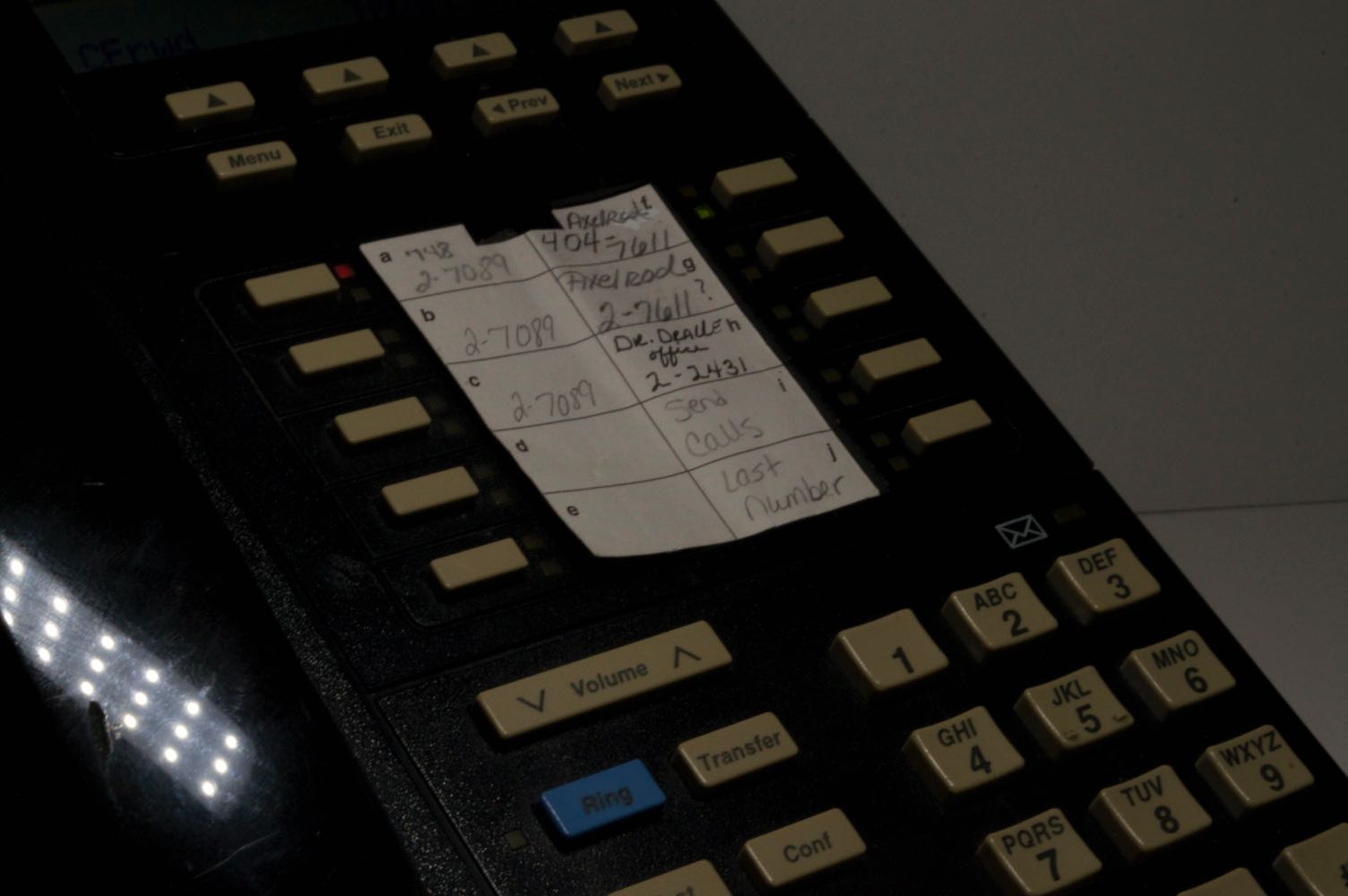
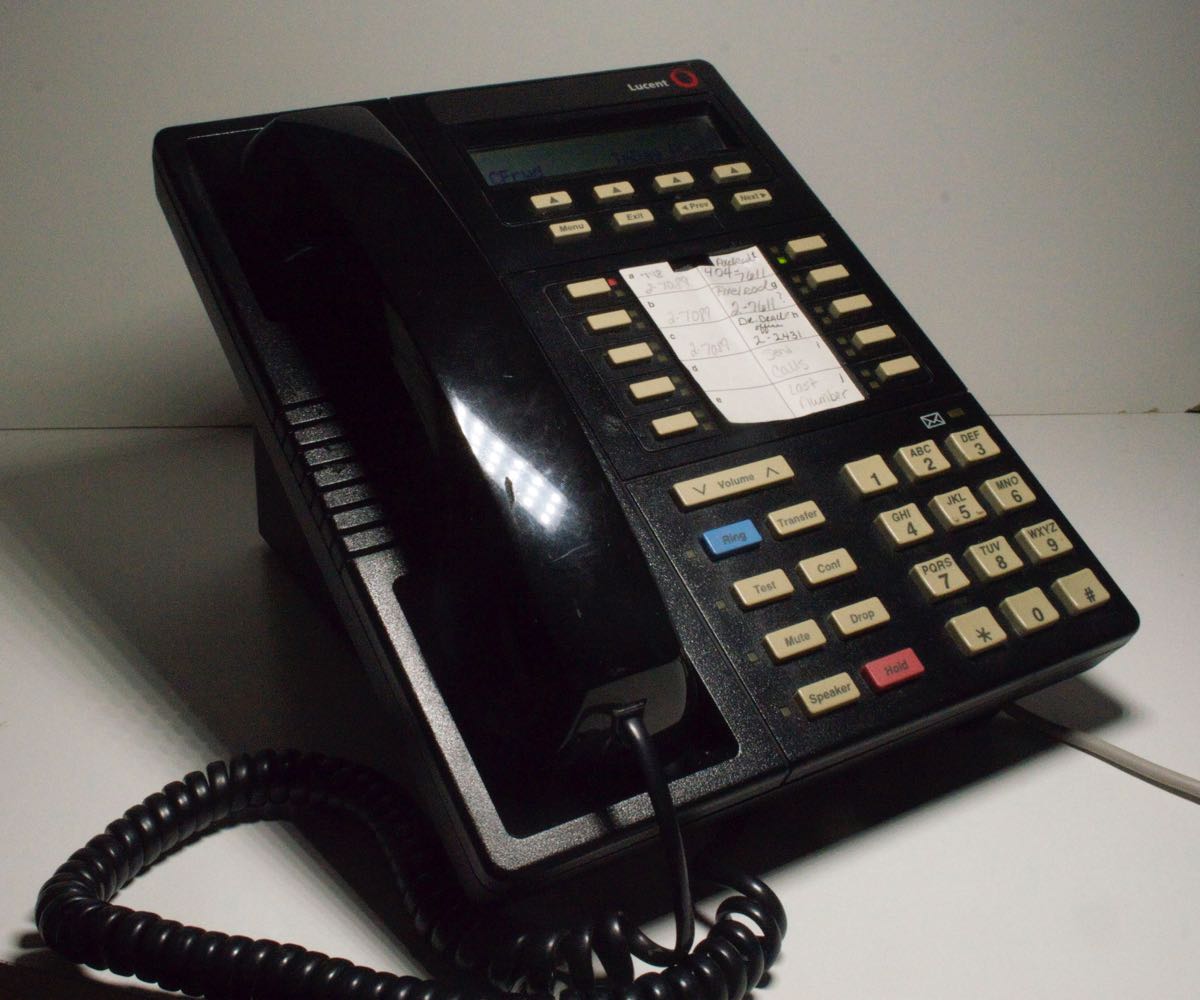
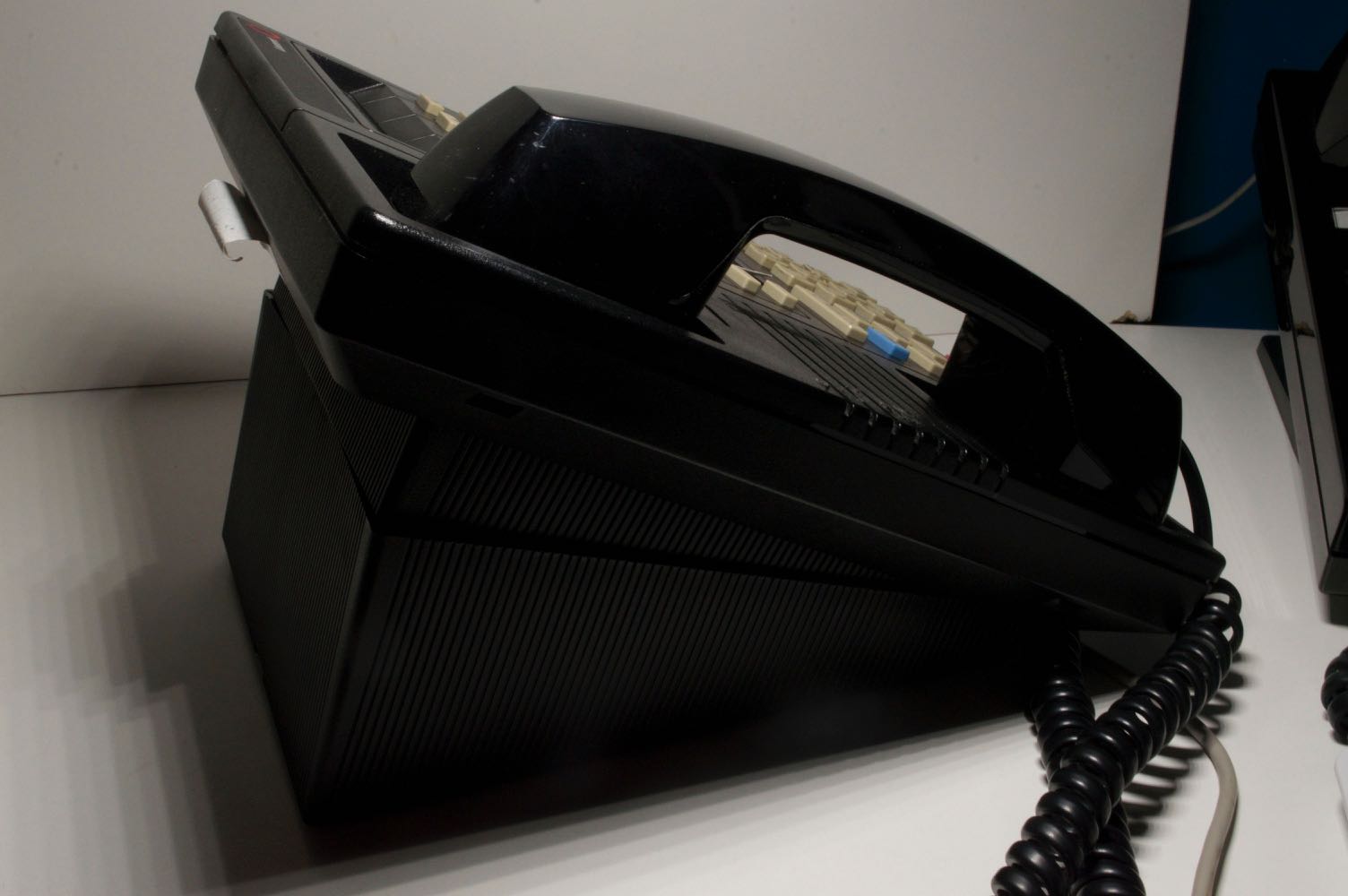
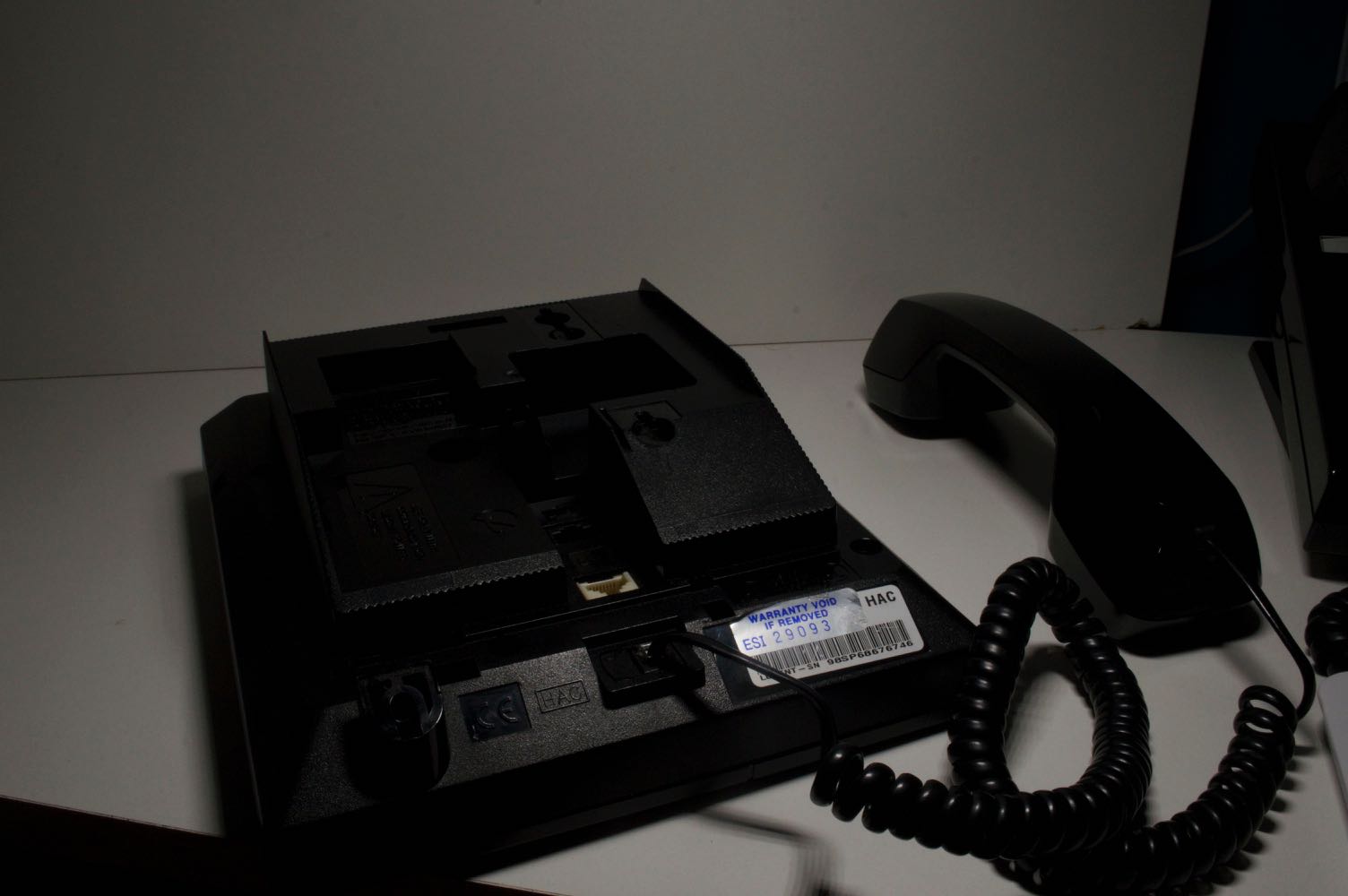
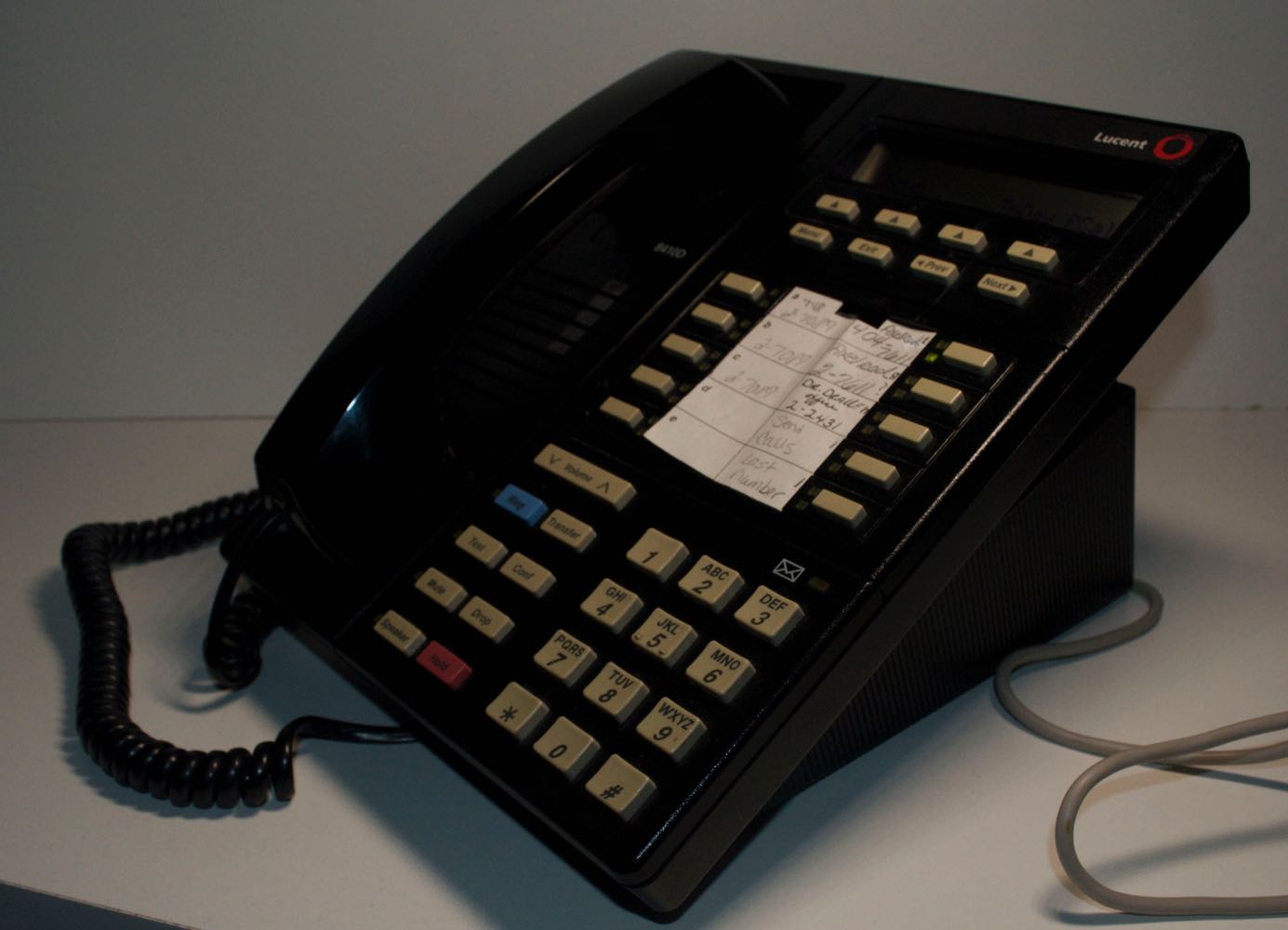
Today I’m showcasing my newest phone (prior to the last post) that is the Avaya 8410 Voice Terminal.

I’m not that creative in naming gadgets in cutesy names like dogs or cats like how people name servers, but I’m calling this one The Donald. As in Donald Trump. That guy was a long time user (to this day) a user of the 8410 terminal. What’s funny is the phone still has an AT&T label. He also uses his Spokesman speakerphone adjunct to have clear handsfree communication, even though the integrated microphone does well too.

This was courtesy from Jason, who gave me his old Definity PBX. The terms of the transfer did not include an 8410 set, which came to my surprise. He told me through email that he threw it in because there was space in the large package. More on this at a later time.
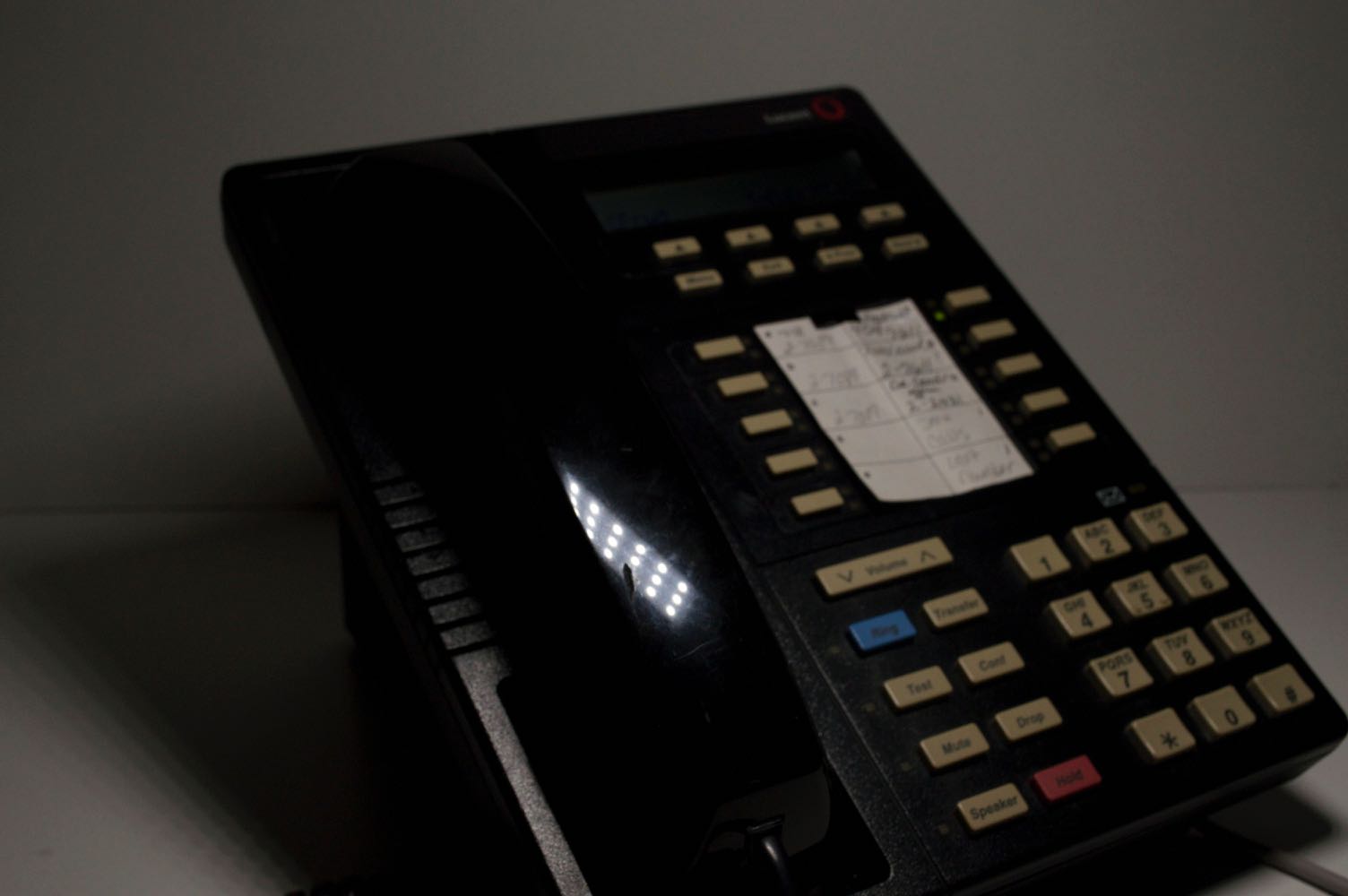


A closeup to that mic.

8410s were originally sold by AT&T, then sold by Lucent and then to Avaya. First generation sets were made in the States (likely at the Shrieveport Works – where most of the enterprise sets were made); when the End of Sale was issued by Avaya around 2003, the terminals were made in Mexico, despite plastic molding stating it was made here.

Video – AT&T Definity PBX Commercial

I proudly admit I am an AT&T brat. I was born 3 years after the Divesture, so my bias is strong since I never witnessed the old monopoly.  Everyone in my crazy life knows how I live and pray upon any of the equipment coming from the old AT&T and its zillions of spinoffs since.

I’d still give these systems a strong plug even when Avaya has essentially taxed companies with excessive License and Right to Use dues, as Cisco has been known to do. If you can afford it, its the best. It’s the Rolls Royce of phone systems.

In the late 80s (just probably before 1990, when they renamed their systems), AT&T ran an ad campaign actually running commericals of their enterprise PBX systems, known at the time Systems 75 and System 85. (System 25 was built upon the Merlin code so its ilrelevent for that reference.)  The System 85 was built upon code from the Dimension PBX that was made by Western Electric, and was distributed by the Ma Bell’s operating companies for businesses to lease. The System 75 was based on fully on digital telephony, the ability to use ISDN, the ability to interoperate computer mainframes and run cables on the same line as the dummy terminals. The System 75’s code and its hardware would lead into the 90s and into the last and present decade, with its 16th revision known as Avaya Aura V.6.

In this commercial a train goes into the air, as the announcer says mentions how a communications system  “can expand and expand” and ends with

“A new communications system so advance, its litterly impossible to outgrow.”

The Definity name is a contraction of “Definitive Solutions for an Infinite Amount of Possibilities” that Lucent touted in the late 90s on their respected product page.

However after the spinoff from Lucent’s Enterprise Networks division, that became of Avaya, they ruined the name by calling the newer versions of the Definity system after Release 10 “Communication Manager” to “Aura” (which I still am not sure how to pronounce) and maybe in a few years will be another odd name, as Avaya slowly became a modernist, fancy, over stylish company.