AT&T (nee SBC, nee Southwestern Bell) dropped a story Friday evening while some of the East Coast was disrupted by the DDOS attack that they had intentions to acquire Time Warner, the owner of CNN (the Cheap News Network), HBO, Warner Pictures, etc. for about $85 billion dollars.
Of course, this is subject to approval by the Federal Communications Commission, and similar to the NBCUniversal/Comcast acquisition from GE in 2010; expect concessions and terms of sale to also follow.
This deal however, does not include Time Warner Cable (historically branded for it’s Road Runner triple play services) which was spun off several years ago, but kept the name and the “sight and sound” logo.
Today, we are revisiting network operations from about thirty-five years ago. From time to time, this site had posted media from the old AT&T Long Lines, however on the day after a massive distributive denial of service attacked the Manchester-based Dyn; I thought it would be worthy to do another post. Produced by AT&T featuring the network operations center for their then Long Lines unit; this was high tech for the 1970s.
AT&T had designed a national network to process out of state or region calls and direct them automatically. But if disaster or overloaded situations occurred, this specific operations center would be able to redirect calls to another route. Communication between the central office and the Bedminster was crucial in case of possible outages or high call volumes, say around the holidays or disasters like earthquakes, etc.
Around this time #3 ESS switches were used around the Bell System. Not too long after #4 would replace the switching, and despite the 5ESS taking over central offices in some markets in the 80s, the 4ESS switching was commonly used for long distance, even up to the early 1990s.
Today Bedminster serves as a catchall as AT&T has evolved into different businesses since the Divesture and the death of long distance services.
* * *
Sadly, not all operations are designed like the ol Bell System only because the technology is so complicated and Internet networking was never thought of running like telephones, because telephony routing was so fixated (or static to used todays terms.)
While the Internet was designed and can do things like hop onto another network on it’s own – if the first or second hit didn’t work then you’d get to your services. With IP based networking; you can’t just issue commands onto a router and redirect the data traffic as easily. Often when a network goes down, the easiest way is to reboot it or do whatever you can do to fend off the attacks. Another problem is just the plain insecurity of the Internet. I’m not the biggest expert in IP networking but another problem is the war between traditional networks that are hard-coded (ala Cisco IOS) and newer networks that are more “dynamic” like what occurred yesterday. Not only that but the consumer equivalent to oIP, the Internet of Things is not helping matters. That’s a whole different discussion outside the realm of this site.
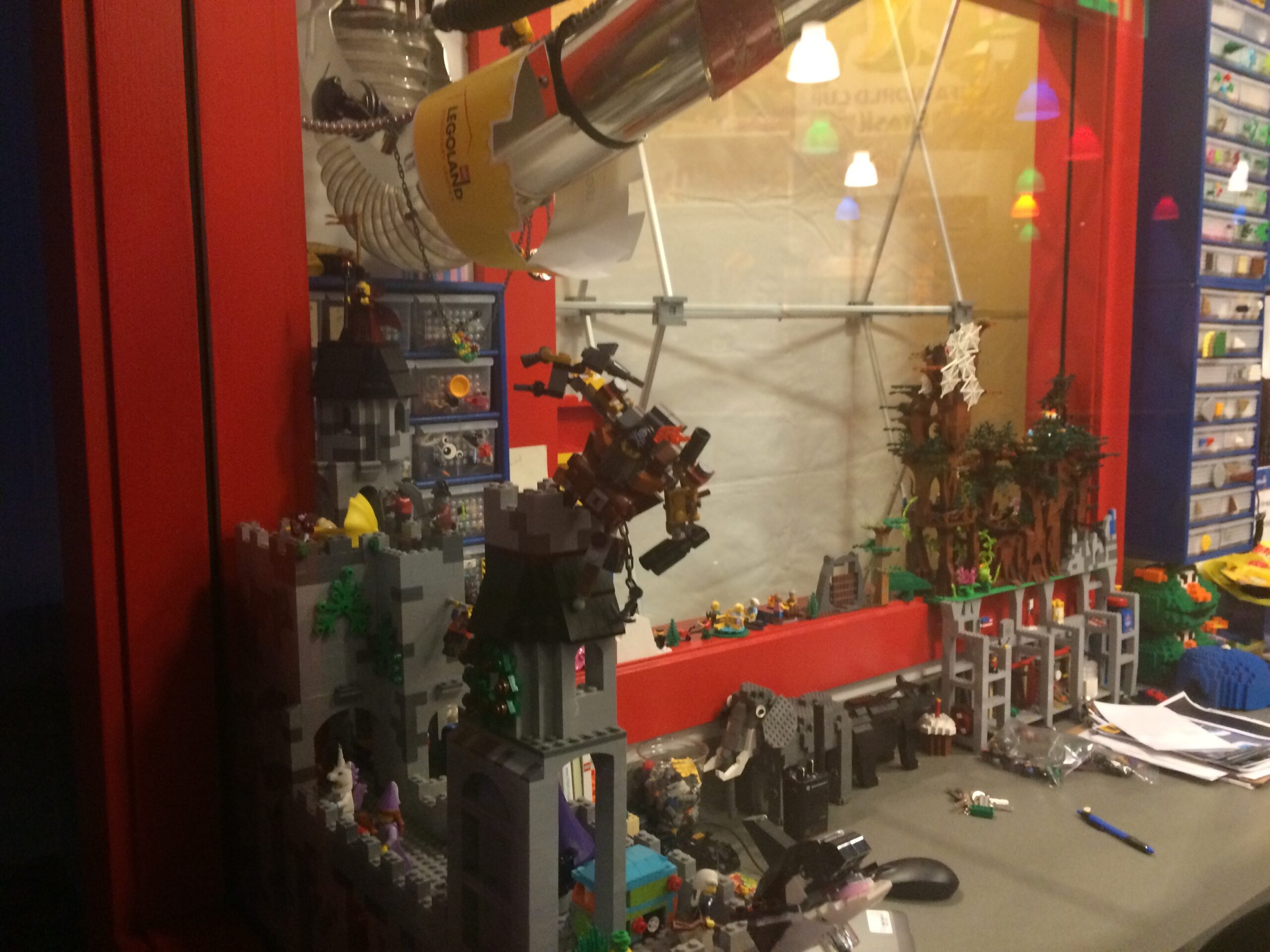
Located just north of the Boston city line, in Somerville, Massachusetts, the LEGOLAND Discovery Center is located in the Assembly Row neighborhood. Unlike the LEGOLAND in California, or Florida, this place is an indoors given the climate of Boston, hazy hot summers, and very cold winters (honestly more of the former than the latter in recent years.)
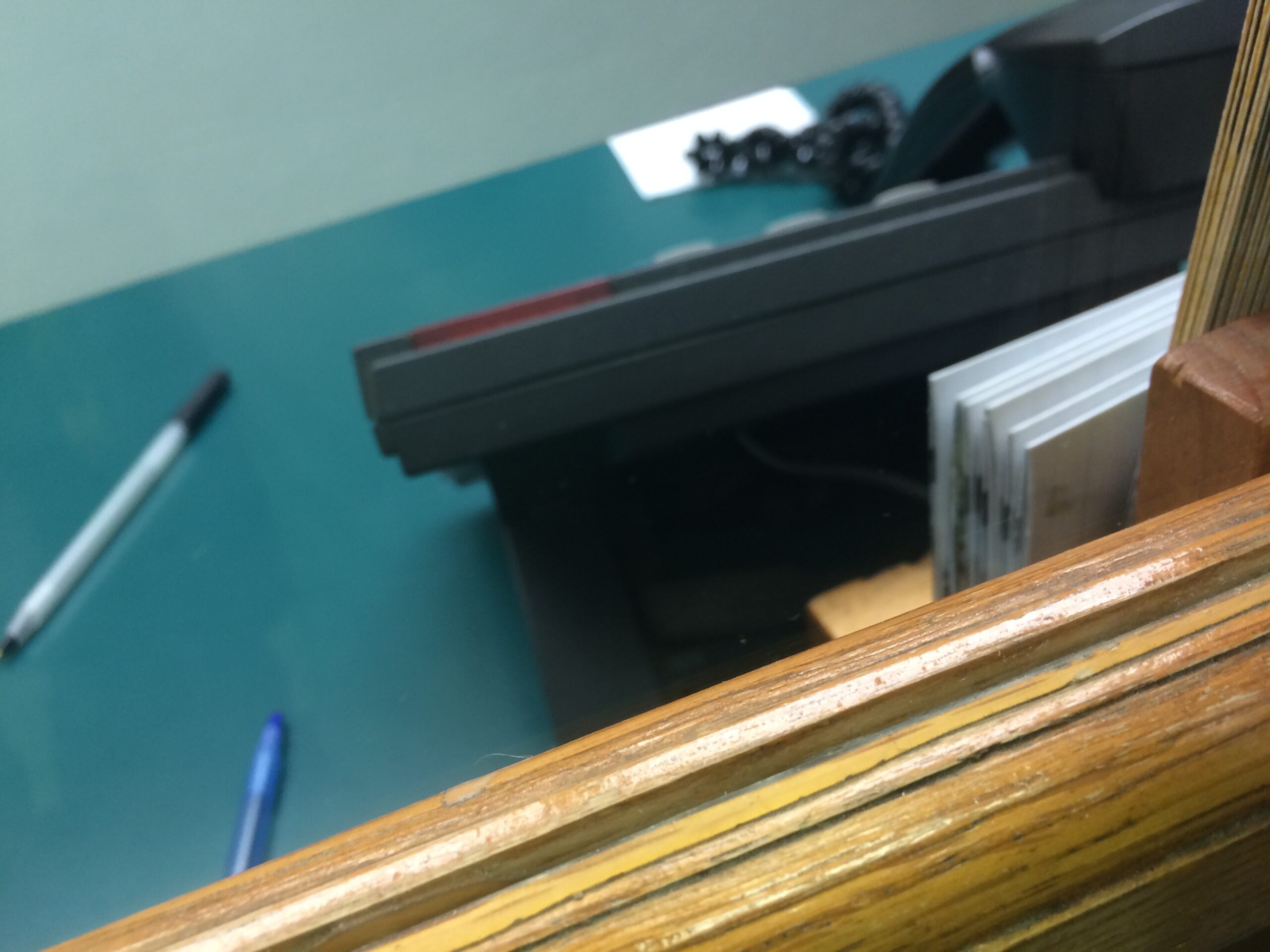
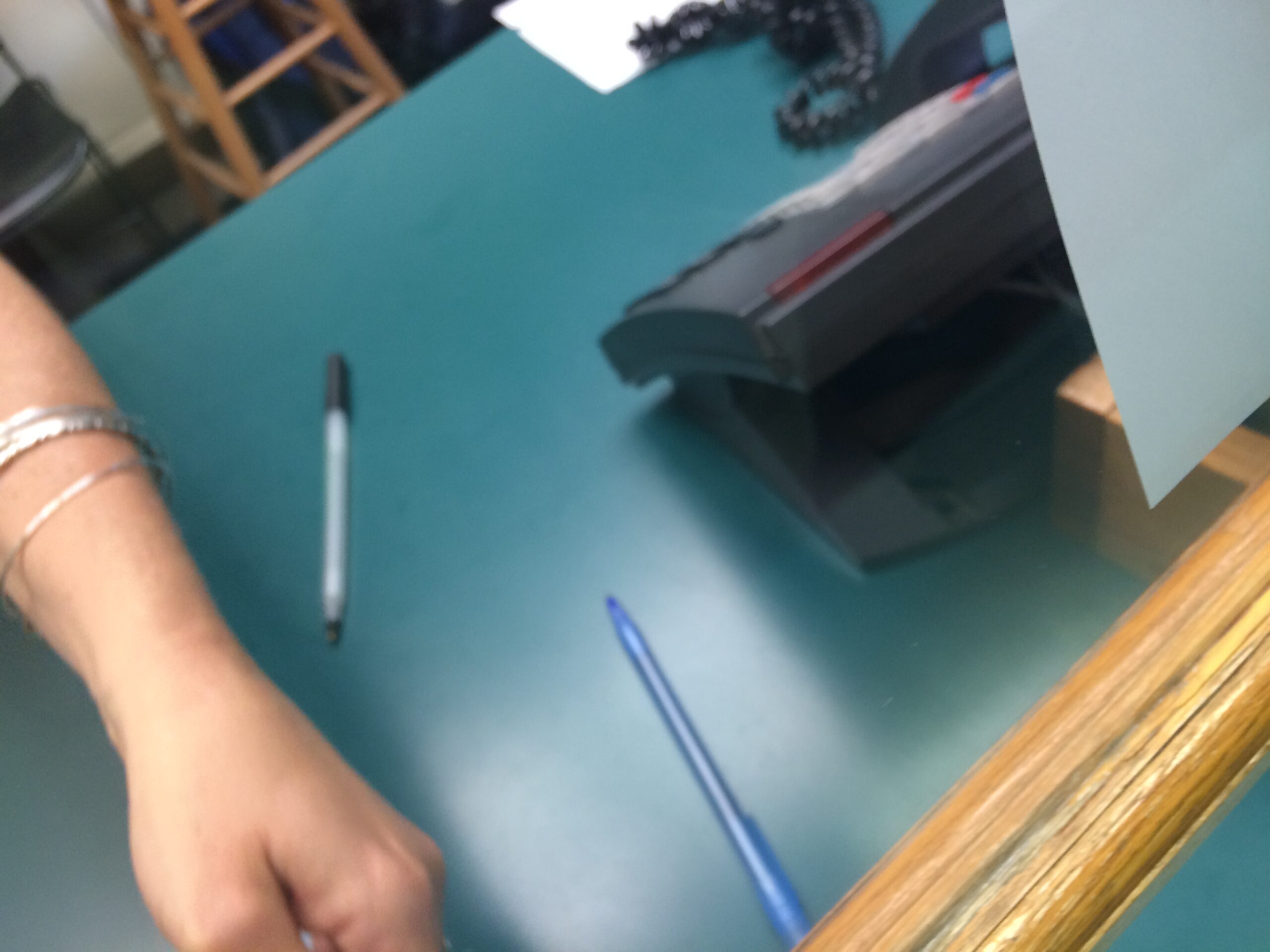
Anyways these sets of pictures is a workspace of lady named Megan, whom builds little things shown in the Miniland section of the attraction. According to their Facebook page, she is a certified through Lego’s Master Builder Academy. Things such as characters from The Lego Movie, Wally (and his galpal) from the Boston Red Sox, the four colored puzzle Autism Awareness, etc. I actually met this lady at the Red Sox game that was Lego themed on the 31st. See telephony related post. In fact I found out that this was her work space after I snapped the picture of the notorious Cisco 6921. She came up to me about a few minutes later asking if we met at Fenway. I felt somewhat flattered that someone could recognize me among thousands that come there.
As you can tell, sadly Lego is on the “dark side” of telephony…:(
I was only able to come because the indoor park is only open to adults if you have kids. On the third Wednesdays of every month, they open it to adults for only a couple of hours, despite them selling adult beverages and closing time is bedtime for a 10 year old. (Nine o’ clock.)
I had fun regardless and hope I run into these fine folks again next month. The neighborhood is a wonderful attraction with it being setup as an outdoor mall. Click below the phone to see more Lego related pictures of the workspace.
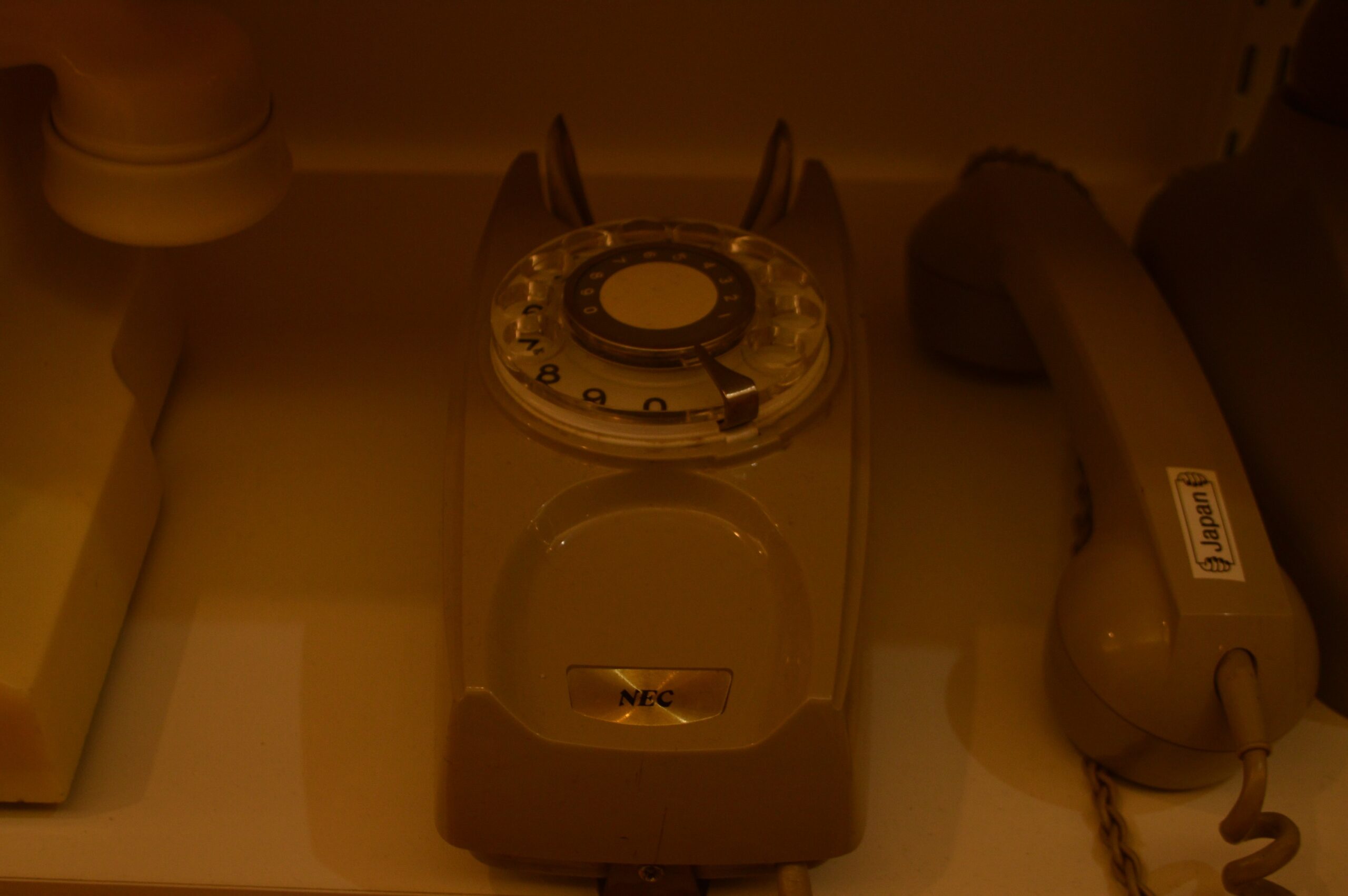
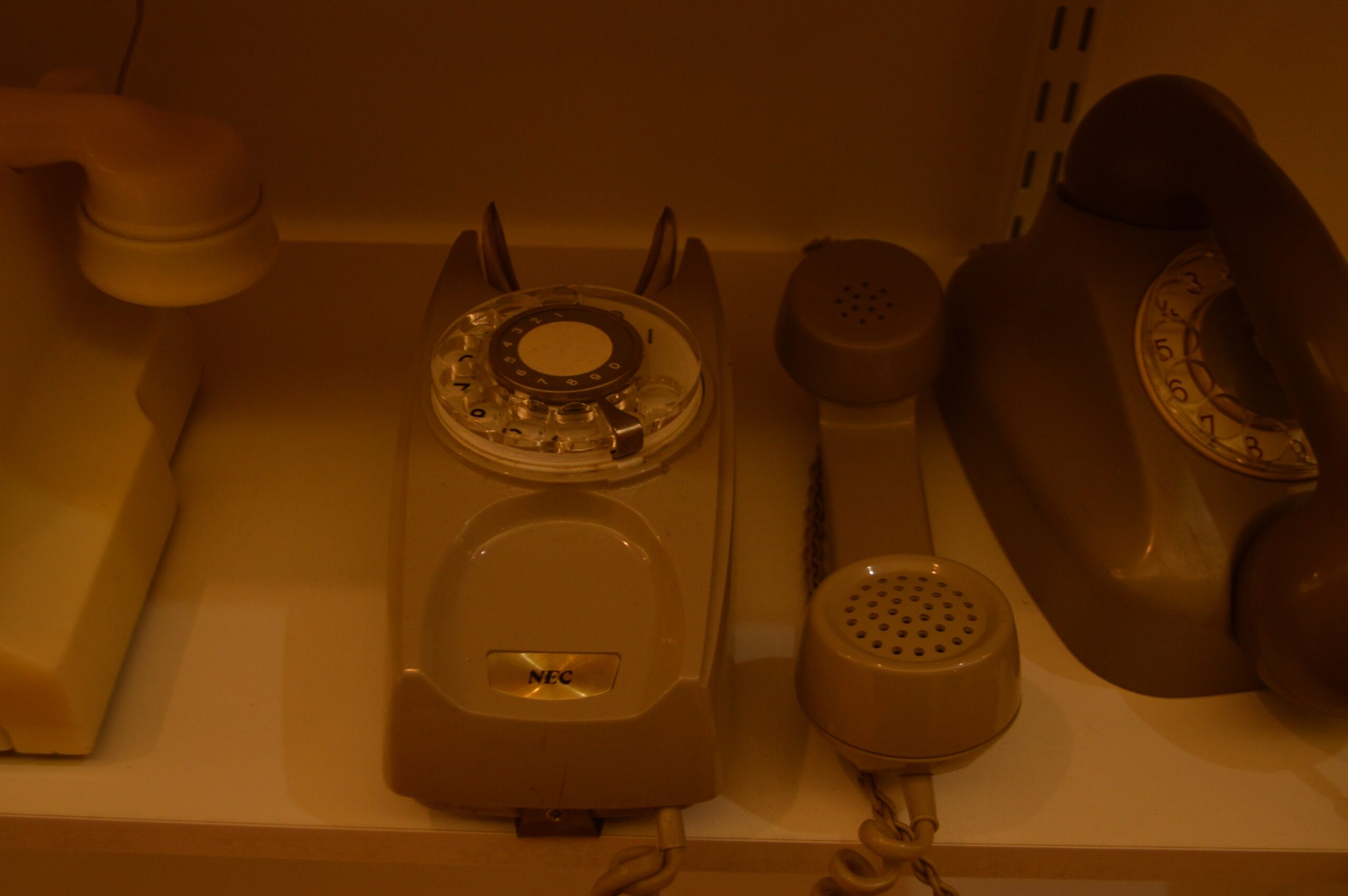
On my way home from my vacation (after clocking nearly 1,400 mile round trip in Northern New England), I stopped by the New Hampshire Telephone Museum. This was found in their foreign section. I do not know the details of this NEC set, just wanted to post it for equal opportunity purposes.
On this 15th anniversary of the most horrific and atrocious day in American history, your humble Curator would like to dedicate this day with the AT&T’s mini documentary of the construction of the World Trade Center around 1976 and the installation of switching systems. This video has been embedded in past posts around 9/11, but as a duty to remember, I am posting this again.
I hope you enjoy your day, remembering the day with some grief with happiness of being alive and (if you’re old enough) reminiscing of enjoying life before our world became vigilant of terror.
This was taken at the front desk at the Attitash Grand Resort Conference Center in Bartlett, NH. This area in the building is where you can only spot the digital sets. The nearby bar, conference rooms and rooms use analog sets. There is no evidence of any attendant consoles ether.
I’ve frequented this facility during the spring time over the last four years for an annual conference. I no longer attend, and I like the place, so I went for the vacation this week. The people I used to see at the front desk were not working (or is no longer working there) to see if I could see the switch room.
This is another crank telephone I spotted at Cannon Mountain. There is at least three of these and after Monday, I might had spotted and have at least a capture of them all from my visits over the last couple of years.
As you can tell in this second picture, there is a Shure like gooseneck mic, I wonder if phone is really a wiring box for intercom as my state government is known to be very frugal.
In New Hampshire we have mass transit. Not to get to work per se, but to enjoy natural beauties.
How you get to this tram, is to the Franconia Notch State Park, and the Cannon Mountain facility on Exit 32 B on I93. This facility I believe is still owned by the State of New Hampshire’s Department of Resources and Economic Development, known by it’s true acronym as DRED. DRED and several other state agencies (Department of Safety, the Liquor Commission and Department of Health and Human Services) had jumped on the Cisco bandwagon since the last decade. This facility has been unscathed as they probably use a Mitel SX system, I’m going to assume SX 50 given the low port density.